CL
Clear assessment
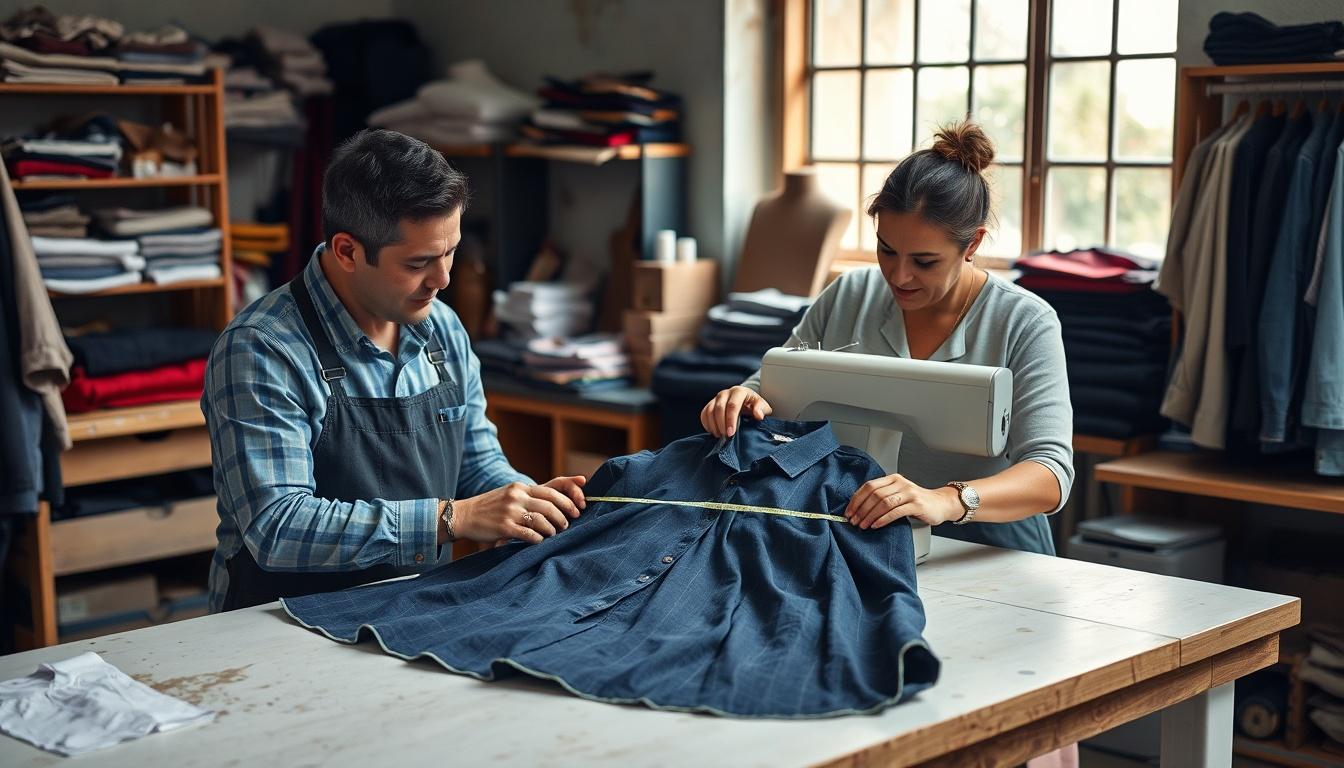
Every project starts with a garment and material assessment, so the quote and scope are based on what can actually be done. This keeps expectations grounded before the work is approved.
Fine Stitch focuses on garment remodelling and upcycling for pieces that deserve a new life. Every project begins with a careful review of the garment, its construction, and the result you want to achieve.
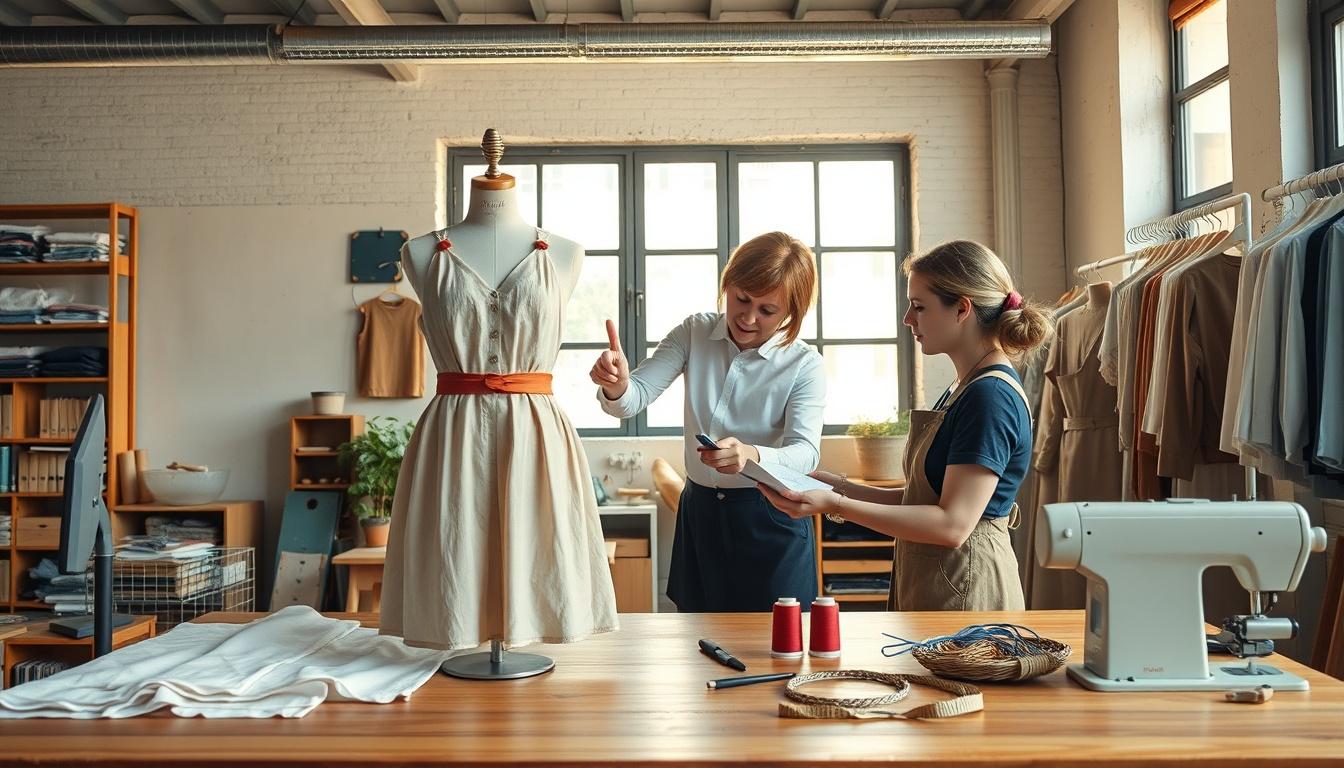
We work with dresses, skirts, shirts, jackets, vintage pieces, and selected accessories, always starting with a clear assessment before any quote is confirmed. That way, the scope stays realistic and the work reflects the fabric, seams, and limits of the original garment.
Our process is built around practical design decisions, written scope, and concept approval before remodelling begins. Whether the goal is a better fit, a fresh silhouette, or a thoughtful reuse of material, the work is planned to suit the garment in front of us.
Fine Stitch brings together remodelling, alteration planning, and upcycling choices that suit the condition of each garment. The focus stays on clarity, reuse where it makes sense, and work that is approved before it begins.
Every project starts with a garment and material assessment, so the quote and scope are based on what can actually be done. This keeps expectations grounded before the work is approved.
A written alteration scope and redesign concept review help define the work before remodelling begins. The result is a process that stays practical from approval to finish.
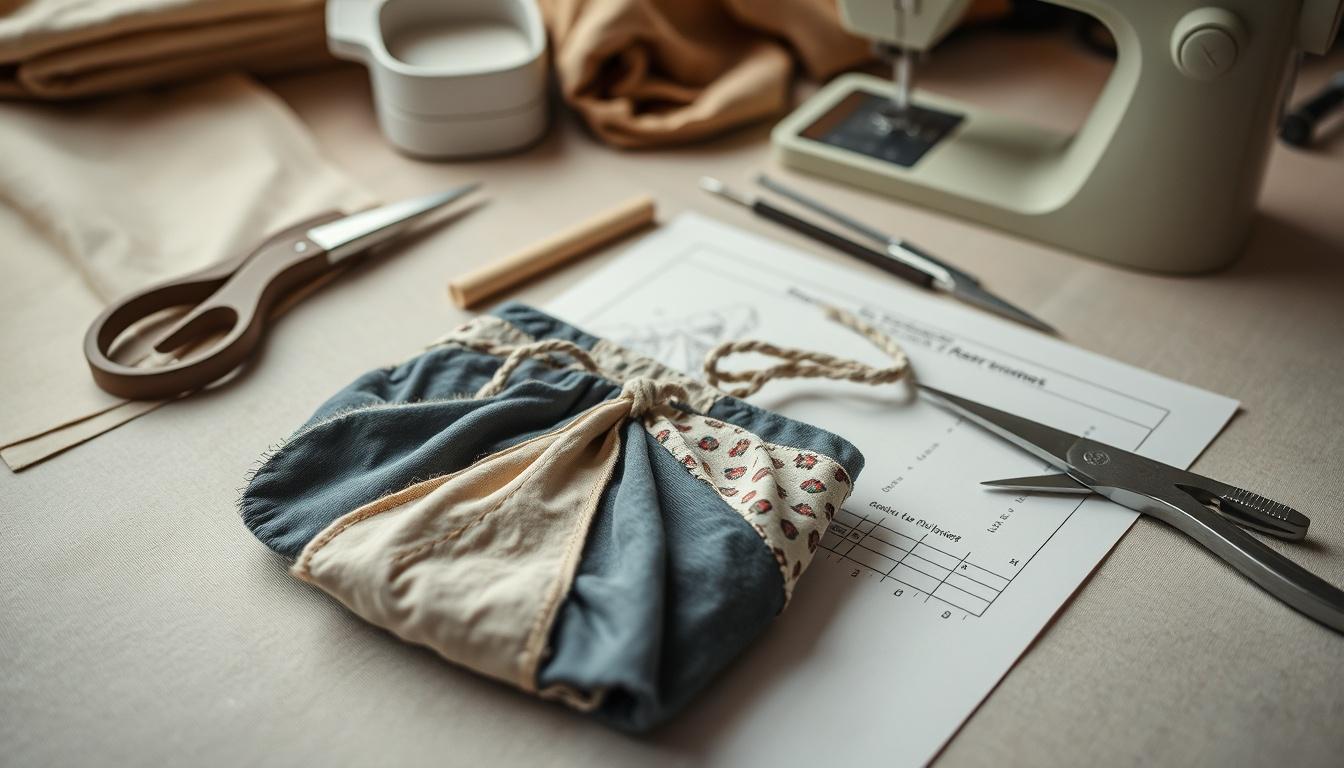
When possible, original thread, trims, and usable fabric are reviewed for reuse. This supports thoughtful upcycling while respecting the structure of the original garment.
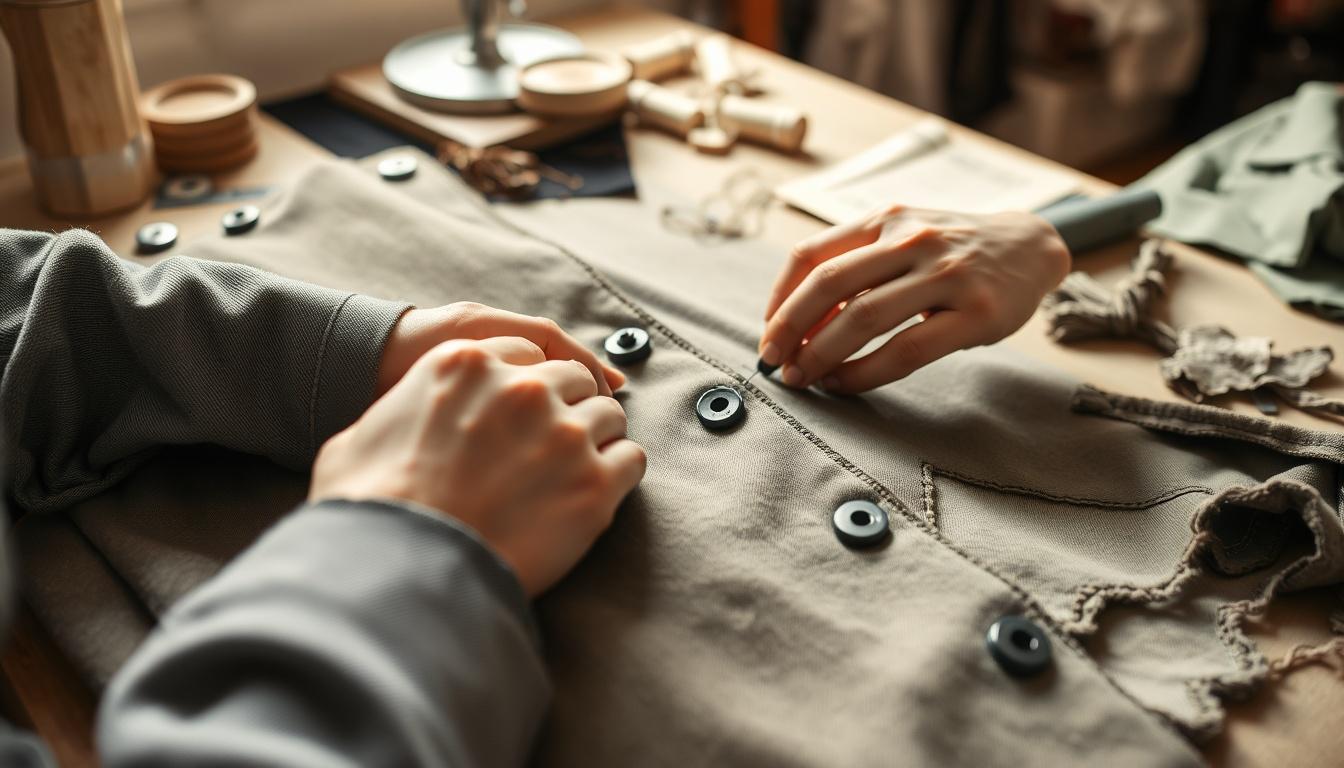
Fit and finish are reviewed during the project, and the completion date is set realistically after inspection. That means the timeline is based on the garment, not on assumptions.
From the first inquiry to collection, the workflow is designed to keep the project understandable and the outcome aligned with the garment itself.
Fine Stitch began with a simple idea: good garments should be reworked, not replaced, when the fabric and structure still have value.
Since then, the workshop has developed a process for redesigning and altering clothing with clear assessments, practical planning, and careful material use.
Today, each project is handled as a custom piece of work, with the final result shaped by the garment's condition, available materials, and approved design direction.